
Some suggestions on how to use hysteresis loop characteristics in the manufacture of current transformers
A current transformer (CT) is an electrical device used to measure or monitor alternating current (AC) in a power system. Its operating principle is based on the use of the hysteresis characteristics of magnetic materials to convert the AC current in the primary line into a smaller, proportional current. The appropriate application of hysteresis loop characteristics is crucial for improving the performance and accuracy of the current transformer during its production and manufacturing process.
Here are some suggestions on how to apply hysteresis loop characteristics in the production and manufacturing of current transformers:
Selection of appropriate magnetic materials:
The transformer should use magnetic materials with high permeability and low hysteresis loss. Such materials can produce a large magnetization under a relatively small applied magnetic field, thereby enhancing the sensitivity and accuracy of the current transformer.
Ensuring saturation magnetization of the magnetic core:
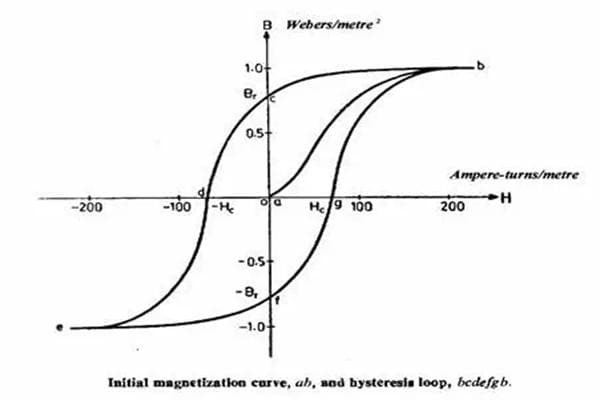
When designing the current transformer, it is important to ensure that the magnetic core does not reach saturation magnetization within its normal operating range. Otherwise, the permeability of the magnetic material will drop sharply, leading to decreased performance and increased errors in the transformer.
Minimizing hysteresis loss:
Hysteresis loss can reduce the efficiency of the transformer. By selecting magnetic materials with low hysteresis loss, optimizing the shape and size of the magnetic core, and adopting suitable winding designs, hysteresis loss can be effectively minimized, thereby improving the efficiency of the transformer.
Reducing the impact of remanence on the transformer:
Remanence can cause measurement errors when the transformer is first activated. During the design and manufacturing process, demagnetization measures can be applied externally to the transformer to reduce the impact of remanence on the performance of the transformer.
In summary, the appropriate application of hysteresis properties and hysteresis loop characteristics in the production and manufacturing of current transformers can help improve the performance, accuracy, and stability of the transformer.